Top 10 Tips on Snow Removal Careers
Winter Weather • By Jon Snow • September 20, 2026
Snow removal is one of the easiest winter jobs to get into, but most people go about it the wrong way. They wait for the first big storm, then start looking. By then, every plow company and city crew has already hired.
If you want steady work and better pay, you need to plan a few months ahead. Here are 10 tips that actually help, based on how hiring works in snow-heavy cities across the US and Canada.
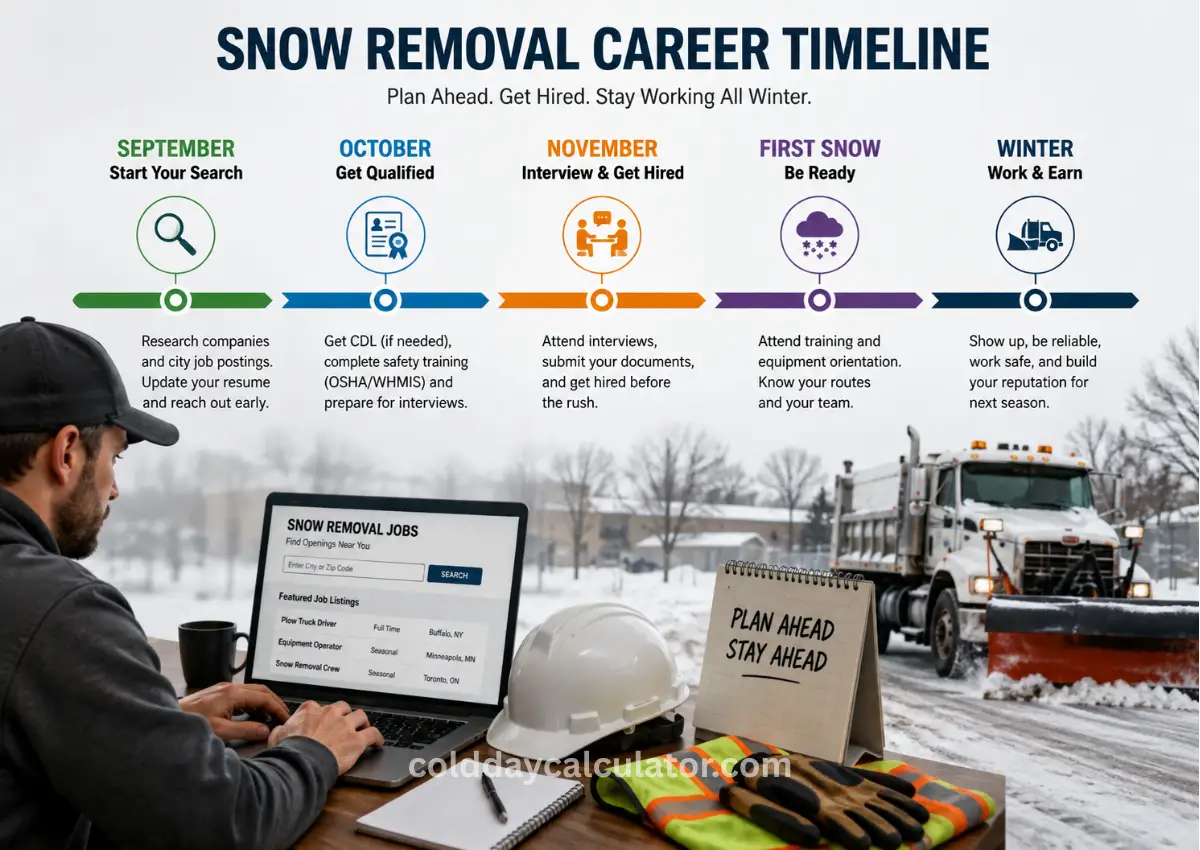
1. Start applying in September and October, not December
Snow removal companies in cities like Buffalo, Minneapolis, Chicago, Toronto, and Montreal start hiring for the season in early fall. They want drivers, shovel crews, and dispatchers trained before the first snowfall, not scrambling after it.
If you apply in December, you're applying for whatever's left. Apply in September, and you get first pick of shifts and better pay.
2. Get a Class B or Class A CDL if you want to drive plows
Most city and commercial plow jobs need a commercial driver's license. A Class B license is enough for single-unit trucks, which covers most municipal plow routes. A Class A license opens up bigger contracts, like clearing shopping malls or highway sections for private contractors.
CDL training takes a few weeks and costs between $1,500 and $5,000 depending on the state or province. Some snow removal companies, especially in Minnesota, Michigan, and Ontario, will pay for your CDL training if you commit to a season with them. Ask about this before you pay out of pocket.
3. Look at municipal jobs, not just private contractors
City and county governments hire seasonal snowplow operators every year. These jobs usually pay more than private companies and often come with overtime during storms. Search terms like "seasonal equipment operator" or "snow and ice control" on city government job boards.
Cities worth checking: Minneapolis, Denver, Buffalo, Syracuse, Anchorage, Calgary, Winnipeg, and Montreal. Each of these posts municipal snow jobs every fall on their city career pages.
4. Don't ignore landscaping companies
Most landscaping and lawn care companies switch to snow removal in winter to keep their crews working year-round. If you already have landscaping experience, this is the easiest way in. Call companies you've worked with in summer and ask if they do winter snow contracts.
This works well in cities like Toronto, Chicago, and Boston, where landscaping companies run separate snow removal divisions from November through March.
5. Get OSHA winter safety training
Employers in the US care about OSHA compliance, especially for driving and equipment jobs. A basic OSHA 10 certificate shows you understand workplace safety, and it's a fast way to stand out from other applicants.
In Canada, look for equivalent provincial safety certifications, like WHMIS in Ontario or the equivalent workplace safety training in your province. These small certificates cost under $100 and take a few hours online.
6. Know the difference between residential and commercial routes
Residential snow removal means driveways and sidewalks, usually smaller trucks or even snowblowers on foot. Commercial routes mean parking lots, hospitals, and shopping centers, which pay more but need bigger equipment and often overnight shifts.
If you're new, residential routes are easier to get and a good way to build experience. Once you have a season or two under your belt, commercial routes pay significantly more per hour.
7. Build a simple resume that shows reliability
Snow removal companies care more about reliability than fancy resumes. List any experience with:
- Driving trucks, tractors, or heavy equipment
- Working outdoors in cold weather
- Overnight or early morning shifts
- Landscaping, construction, or physical labor jobs
Mention if you have your own reliable vehicle. A lot of small snow removal operators need workers who can get to the yard by 3 or 4 a.m. during a storm, and not having transportation is one of the biggest reasons people get passed over.
8. Understand the pay structure before you accept a job
Snow removal pay works differently depending on the employer. Some pay hourly, some pay per push (per storm event), and some pay a flat seasonal rate regardless of how much it snows. Ask directly which one you're getting into.
Hourly work is safer if it's a light snow year. Per-push or seasonal flat rates can pay more if the winter is heavy, but less if it's light. In a normal winter, plow drivers in mid-size US cities earn between $18 and $30 an hour. In Canada, seasonal plow operators often earn between $22 and $35 CAD an hour, higher in Alberta and parts of Ontario.
9. Consider starting your own small snow removal side business
If you have a truck with a plow attachment, or even just a good snowblower, you can pick up residential clients directly. Facebook groups and neighborhood apps like Nextdoor are common places people post looking for driveway clearing in winter.
This works especially well in suburban areas around Chicago, Denver, and the GTA in Ontario, where homeowners often prefer a local person over a big company. Starting small like this can also turn into a full seasonal business if you build a client list over a few years.
10. Renew your interest every fall, even if last season didn't work out
A lot of snow removal hiring is seasonal and repeats every year. If a company didn't have space for you last winter, reach out again in September. Crews change, contracts grow, and companies that remember a reliable applicant from last year will often call first.
Keep a short list of 5 to 10 companies or city departments in your area. Check their hiring pages every September, and follow up directly instead of waiting for a job posting to appear.
Final thoughts
Snow removal work isn't complicated to get into, but timing and preparation matter more than most people think. Apply early, get the right certifications for your city, and be upfront about your availability during storms. Do that, and you'll have steady winter income instead of scrambling every time it snows.
You May Like
- Best Snow Day Books for Kids
- Books Like The Snowy Day
- Snow Day Map Reading Guide
- Cold Weather Hair Tips
- Best Mountains to Ski in Canada

Related Posts
Best Mountains to Ski in Canada
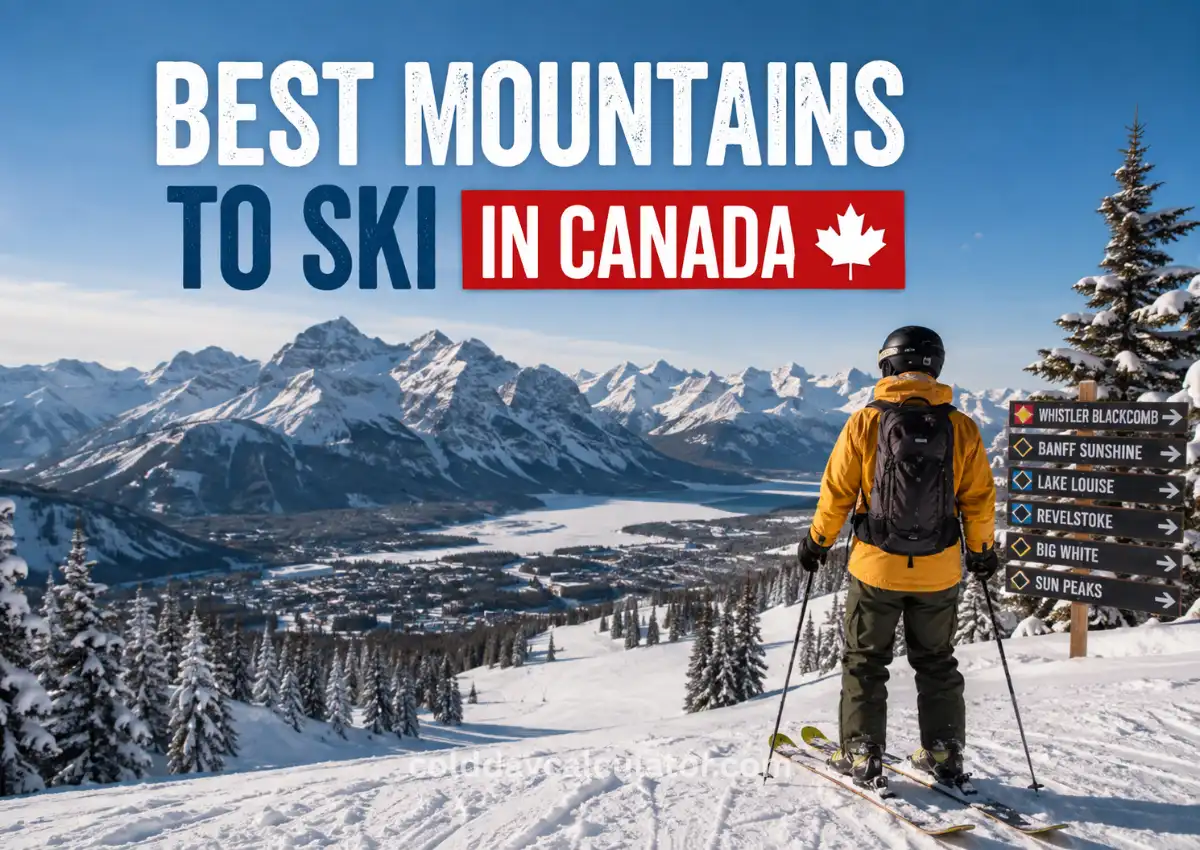
Canada has some of the best ski mountains in the world. Big snow, long seasons, and slopes for every...

12 Tips for Cold Weather Hair
Cold air holds less moisture than warm air, and indoor heating dries things out even more. Put those...

How Is Snow Made? Simple Science Explained
Snow may look magical when it falls from the sky, but the science behind it is actually a fascinatin...